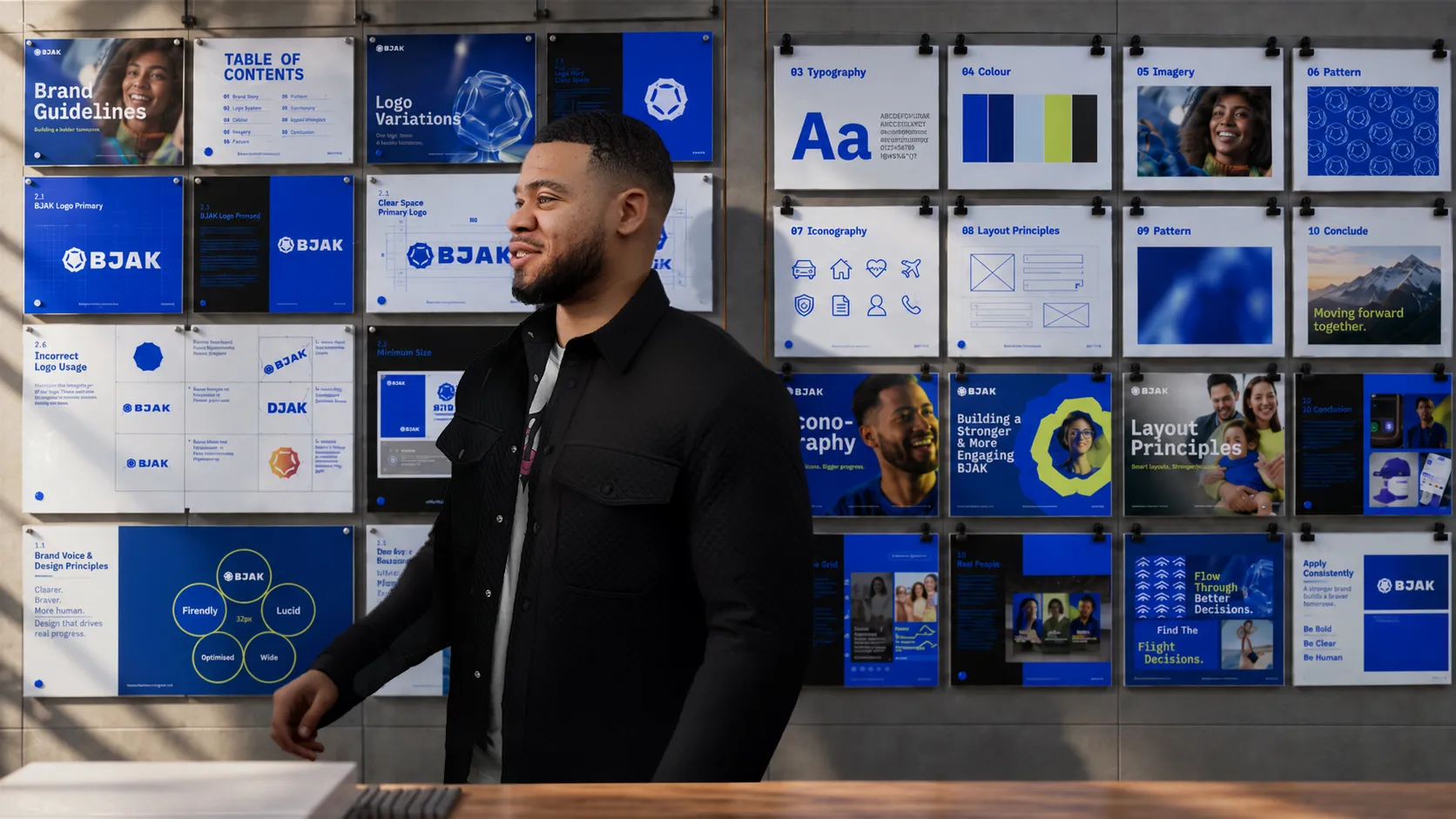
I'm Armani.
I design brands for
the messy bit after
the launch day.
The point where stakeholders, systems and real-world use start pulling the brand apart.
- 40+
- Country toolkit
distribution - 25+
- Brand projects
delivered - £11m
- Combined client
Market cap
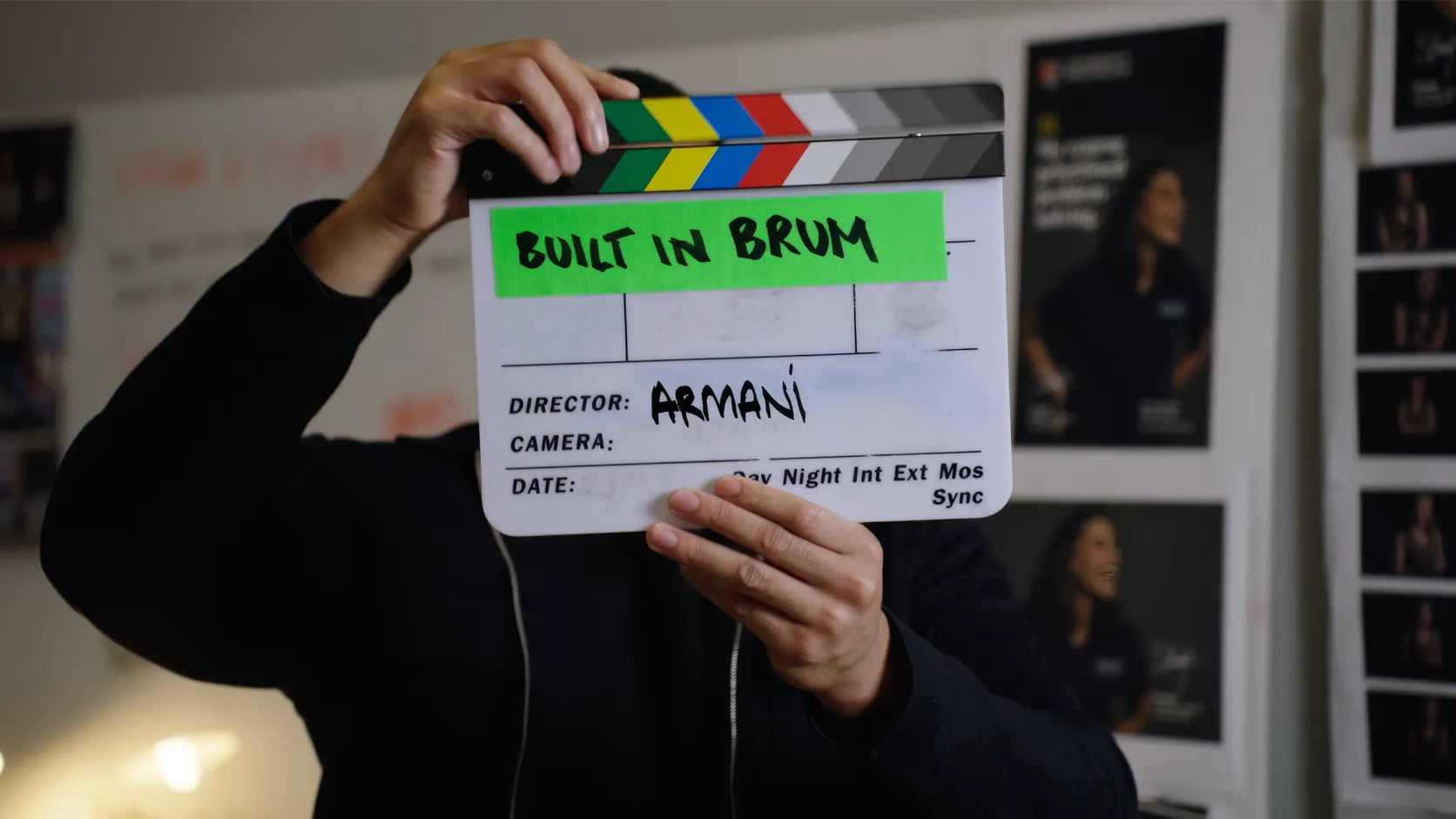

1 business.
3 versions of it.
The website says one thing. The sales deck says another. LinkedIn has started becoming something else entirely. Nobody meant for it to happen. The business simply moved faster than the brand.
-
01
You've outgrown it.
The business is bigger, sharper or more ambitious than the identity built for it. Every new thing has to stretch the old system a little further.
-
02
You rebranded. It didn't stick.
The new brand launched. Then real work happened. The deck drifted, the socials improvised and the old files quietly came back.
-
03
You're about to be compared.
A pitch, tender or bigger buyer has made the gaps more visible. Your business is ready for the room. The brand needs to look like it belongs there too.
Finding the friction.
Creating the flow.
Five stages take the brand from scattered to usable. The detail changes by business. The sequence doesn't.
- Technical performance
- Visual consistency
- Claims vs evidence
- Reality & ambition
- Origin & audience
- Who runs it day to day
- Positioning
- Messaging
- Visual direction
- Identity core
- Art direction & grids
- Component system
- Guidelines & templates
- Recorded handover
- 90-day review
-

01 Friction
This stage starts before you pay for it. I audit what's already public, alongside three competitors your buyers compare you with, and bring three findings to the call: one technical, one visual, one commercial. If we go ahead, that same audit goes to the bottom of all three.
-
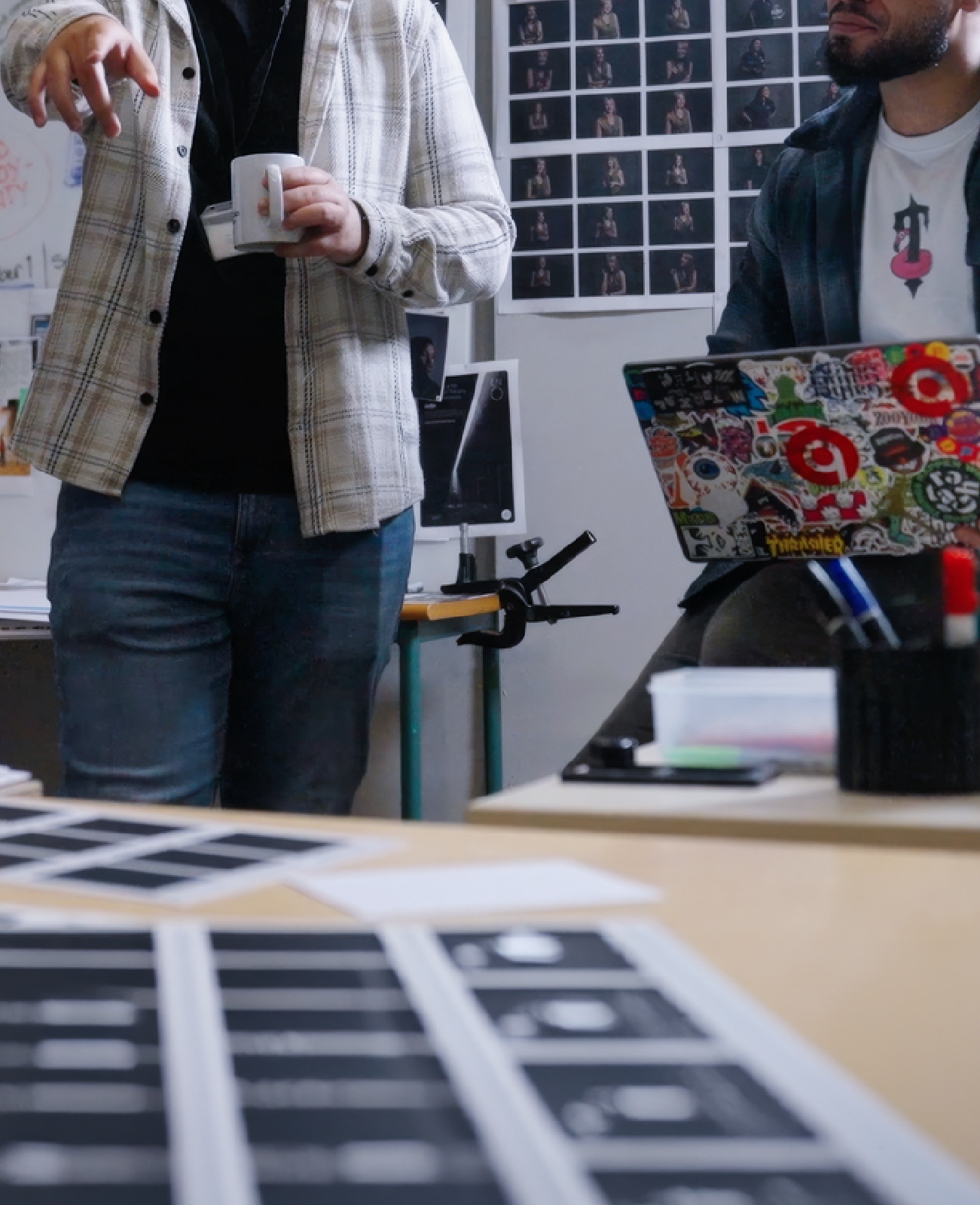
02 Surface
I run the workshop: two working sessions with the people leading the business: what's true today, then where it's going and where it came from. Then one with whoever uses the brand day to day. It ends in a brief you sign off before anything is designed.
-
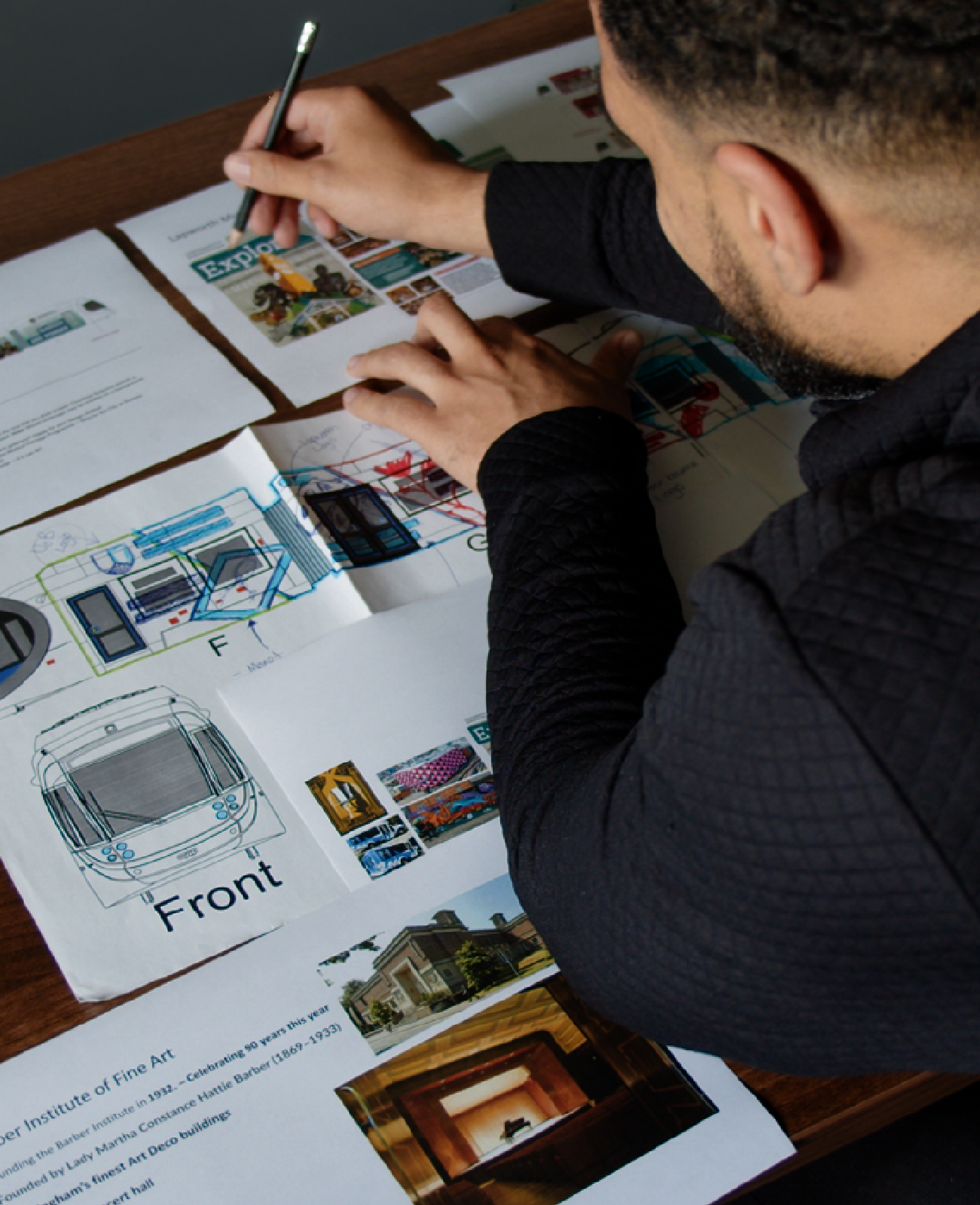
03 Sharpen
I turn the brief into a position: one claim a competitor couldn't honestly make, and the language that carries it. Then two visual directions with your own words set in them, so you judge how it sounds and how it looks together. Both are agreed before identity design starts.
-
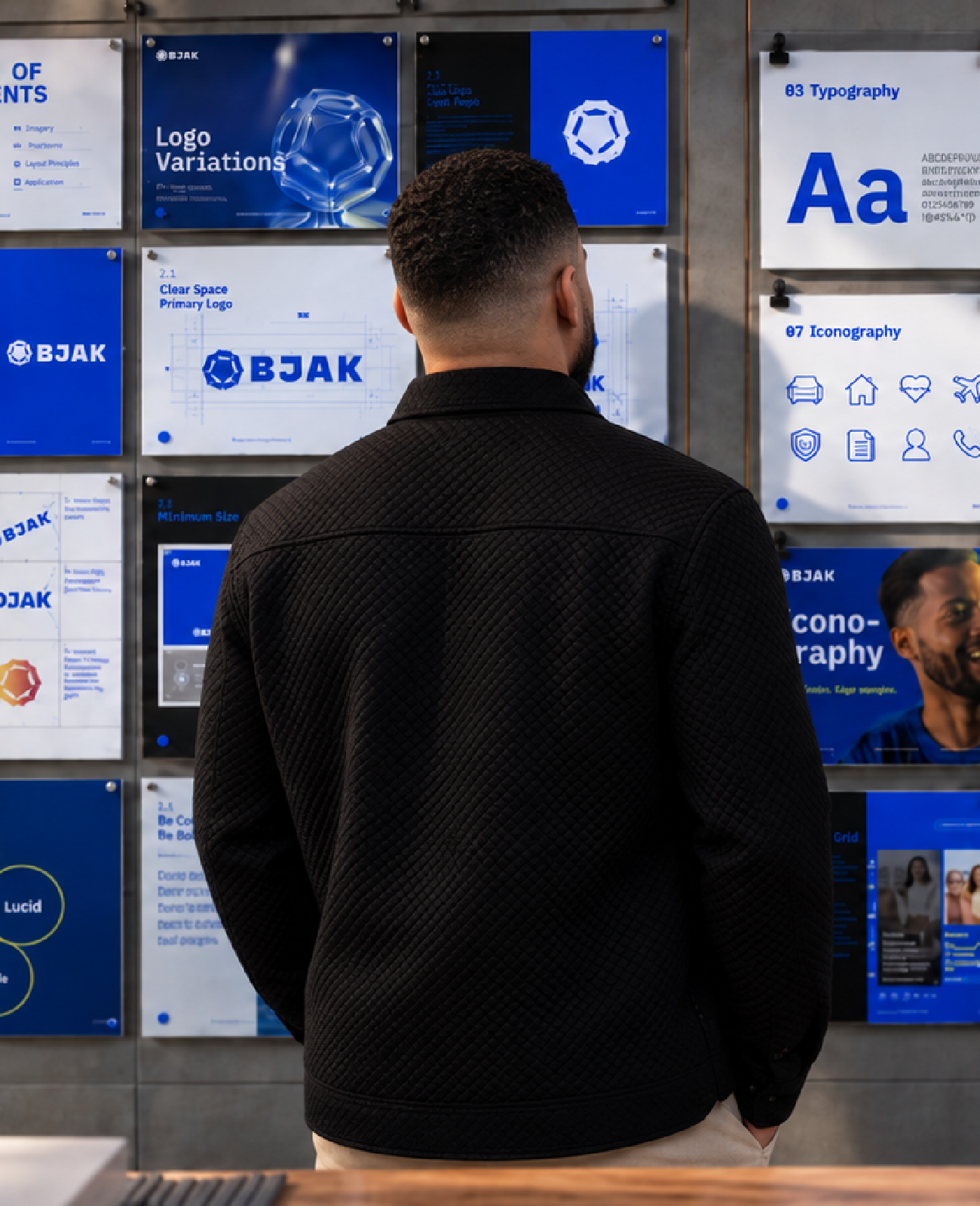
04 Shape
Starting from the agreed direction, I design the identity core, then the art direction and grids that let it flex, then a component system your team can build from. You keep the identity system and the component library.
-
05 Flow
Guidelines written for a Tuesday afternoon, and templates in the tools your team already uses. The handover is recorded while someone else makes something with it. Ninety days later I check everything made since for drift.
Common questions
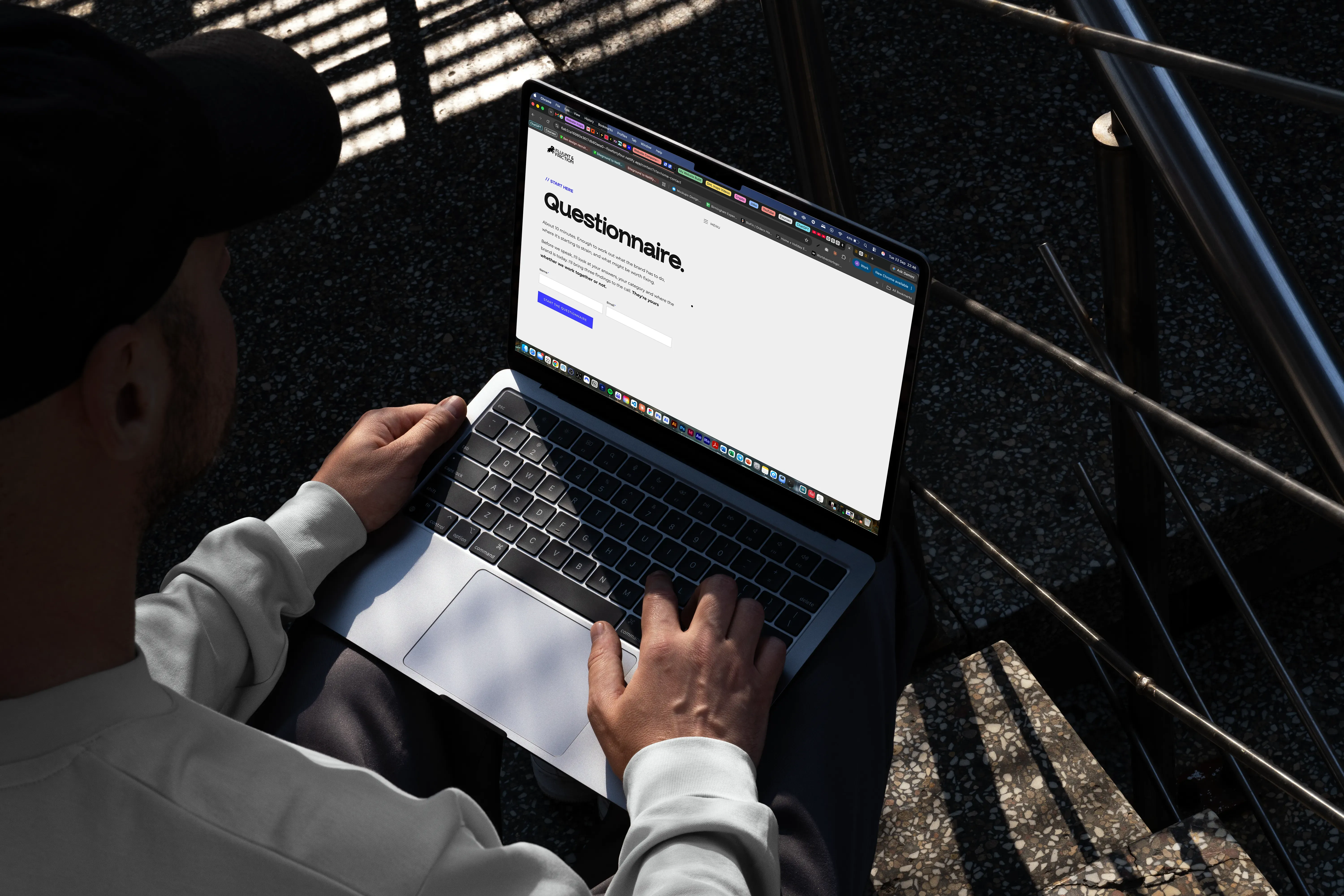
With the questionnaire. It takes about 10 minutes and tells me what your brand has to do and where it's straining. Then a 30-minute call. Before it, I look at your category and your current brand and bring 3 findings. If it's a fit, I'll propose an engagement. If it isn't, the findings are yours anyway.
About six to eight weeks from the first session to handover, then a review ninety days later. I ask for all admin things like domain access and account sign-offs before we start rather than at the end. I run fast. I try to uphold our timelines strictly.
It depends on 3 things. How far the brand has to travel from where it is to where the business is going. How many people have to be able to use it without me, because a system for 4 people is a different build from one for 40. And whether there's a website in it. The questionnaire asks exactly those questions. The 30-minute call ends with a clear view of the scope and what it would take. The figure comes in a written proposal afterwards, once I've seen enough to stand behind it.
Yes. I run all 5 stages myself, from the first session to the 90-day review. Where a project needs specialists, I bring them in and brief them against the system. The sequence and the judgement stay with me.
Then it probably stays. The logo is rarely the problem. What tends to be broken is everything around it: 3 typefaces, 5 shades of the brand colour, a website and a deck that don't agree. The Friction stage says honestly whether the mark is holding. If it is, the work goes into the system it sits in.
Take my 10minute questionnaire and I'll reveal your 3 brand friction points.
10 minutes. 3 actionable findings.
Yours to keep.